Festival Porta Potties
Crowd-ready portable restrooms in Toms River, NJ.
- ✓ Rapid Deployment
- ✓ High-Capacity Layouts
- ✓ Flexible Servicing
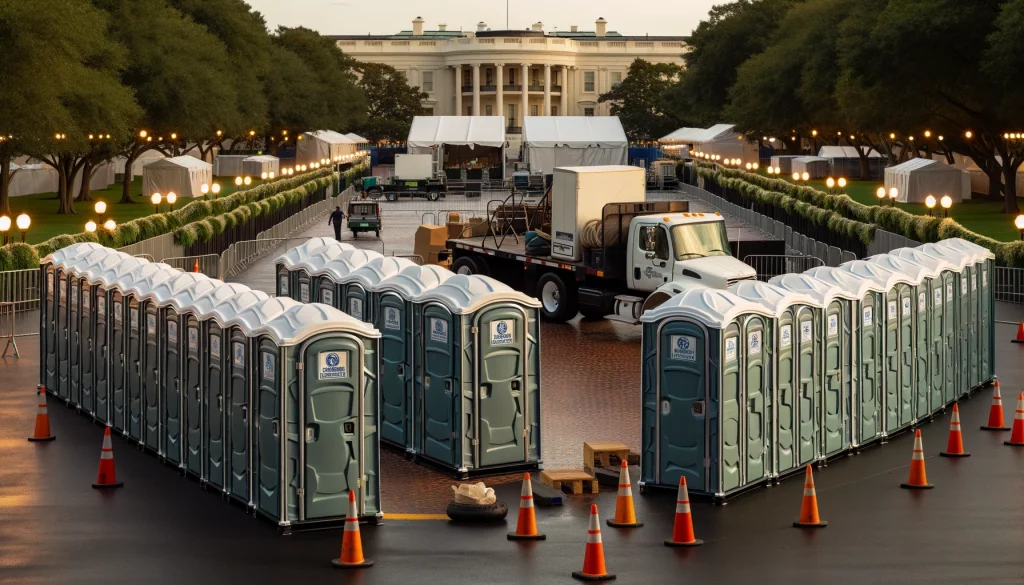
Crowd-ready portable restrooms in Toms River, NJ.
Festival restroom planning is less about placing a single unit and more about creating sensible access across a temporary event site. Begin with an estimate of total attendance, but also consider how many people may be present at the busiest time. Entry lines, performance schedules, meal periods, beverage areas, children’s activities, and headline acts can create peaks in restroom use that do not match the daily attendance total. NorthStar Mobile Toilets can discuss your planned operating hours, number of days, estimated crowd size, and the layout of vendor rows, stages, parking, gates, and gathering areas. This information helps organizers think through a practical unit count and placement approach. Rather than concentrating all facilities in one distant corner, consider whether guests can reasonably reach restroom locations from major activity areas. Keep units visible enough to find, with clear pedestrian paths, while avoiding placement directly beside food service, seating, vendor queues, or performance viewing areas. If the footprint is large, identify spaces where restroom access can help reduce long walks and crowding. Accessible restroom considerations should be incorporated into the site plan, particularly where public paths need room for varied mobility needs. Delivery access is equally important. The site should have a clear route suitable for placing units before booths, barricades, tents, equipment, and vehicles restrict movement. Tell the team about gates, unpaved surfaces, narrow lanes, slopes, overhead obstructions, or municipal site rules. For public property, secure any permissions required by the event organizer or property manager. Rain, heat, and ground conditions may affect where units can be positioned, so build flexibility into the map. A planned restroom layout supports guest comfort, helps vendors and volunteers, and keeps festival operations focused on the program rather than preventable facility issues.
For a festival that runs beyond a few hours, service timing deserves the same attention as initial delivery. A one-day community event with moderate attendance may have different needs from a weekend market, a multi-day music program, or a recurring seasonal celebration. Discuss the full rental window, including setup days and post-event breakdown, not merely the published event hours. If restrooms will experience sustained use over multiple days, ask NorthStar Mobile Toilets about servicing needs based on duration, attendance, and the number of units. Do not wait until the site is full of vendors and attendees to determine access for delivery or servicing. Assign a site contact who understands the layout, has authority to approve placement, and can communicate any restricted hours. It can also help to mark restroom areas on vendor maps, volunteer instructions, and guest information so people do not need to ask staff for directions repeatedly. Review the location of handwashing or hygiene arrangements with your event planning team as appropriate to the event’s own requirements. When requesting a quote, provide the event address, dates, daily operating schedule, expected attendance, desired pickup timing, and details on access. Unit type, quantity, rental length, service frequency, site conditions, and delivery logistics can all influence the final arrangement. Clear planning allows for good quality service and reduces the risk that restrooms are placed where they obstruct emergency lanes, vendor access, or pedestrian circulation. For festival porta potties in Toms River, contact NorthStar Mobile Toilets at (848) 357-2343. Calls are accepted 24/7, and organizers can email info@tomsriverportapotty.com with a site map or planning notes. The goal is a clean, reliable setup that fits the operational realities of your festival and provides guests with practical restroom access throughout the event.